Why Crisis Brains Recover So Quickly: The Science in Simple Terms
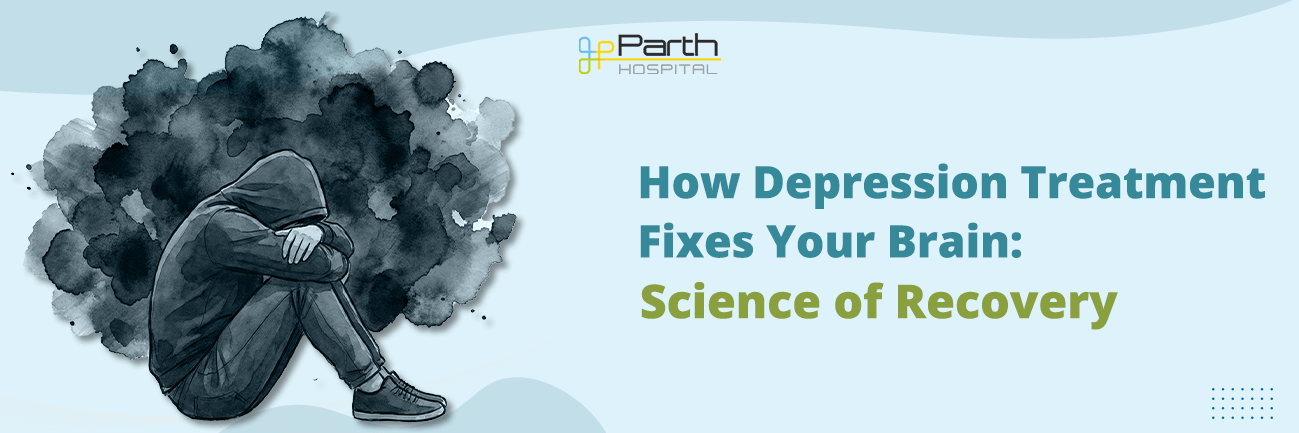
The medical strategy behind 24-hour psychiatric crisis stabilization. (A guide from Parth Hospital Ahmedabad) What Families Want to Know Your loved one went from suicidal to stable in 24 hours. You’re wondering: “Is this real or temporary?” The answer lies in understanding what happens in the brain during crisis—and how modern medicine rapidly restores balance. […]
Read MoreWhat to Do in a Mental Health Crisis: A Family Action Plan
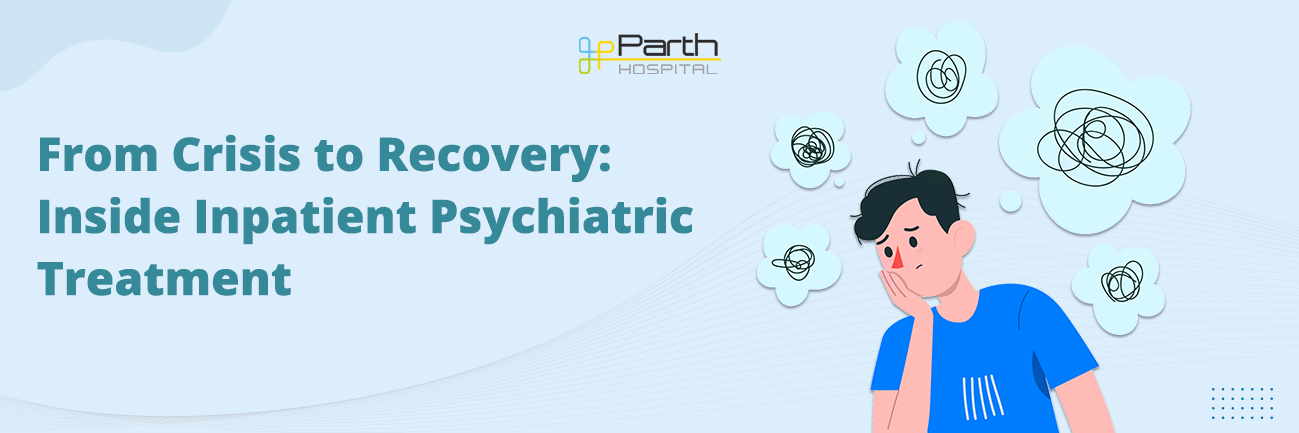
A step-by-step guide for psychiatric emergencies at Parth Hospital Ahmedabad. 🚨 When Crisis Hits: Your First 60 Minutes Patient’s family: “When our father started hallucinating at 2 AM, we panicked and wasted time arguing about calling a doctor or waiting till morning.” The lesson: Having a plan makes all the difference between chaos and calm […]
Read MoreWhen Every Minute Matters: A Mother’s Story of Hope
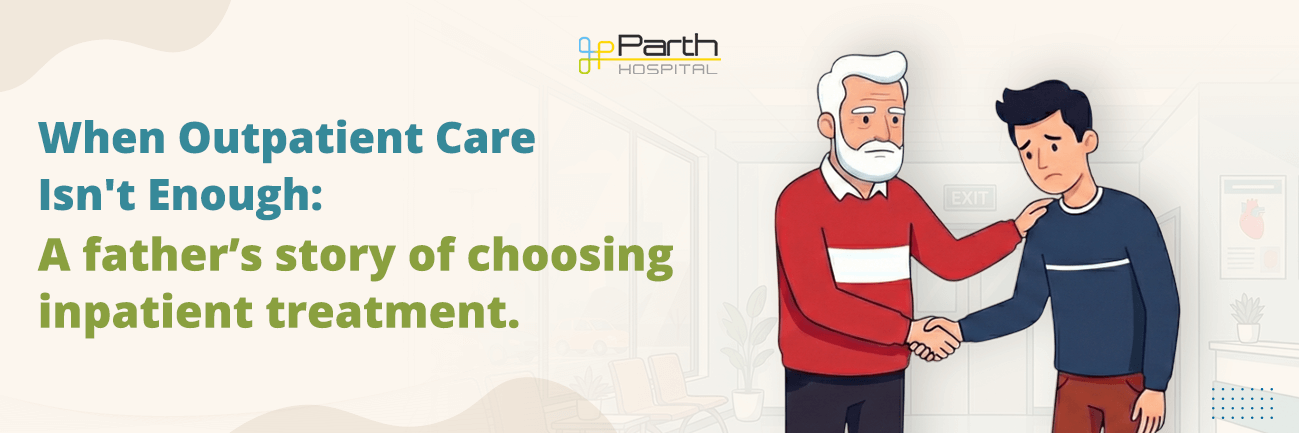
How one family navigated psychiatric crisis at Parth Hospital Ahmedabad. 3:17 AM – The Call That Changes Everything Mrs. Sharma’s hands trembled as she dialed 108. Her 24-year-old son Arjun lay unconscious, empty medicine strips scattered around him. The note on his bedside table stole her breath. This wasn’t supposed to happen in their family. […]
Read MoreLife During Involuntary Admission: A Family’s Survival Guide
After the Crisis: What Happens Now? Your loved one has been admitted. The immediate danger has passed, but you’re left with questions: “What happens inside? How can we help? Will our family ever be normal again?” This guide takes you from the hospital ward to home. For detailed understanding, explore our psychiatric admission overview. A […]
Read More500+ rTMS Patients: Who Responded Best?
rTMS Success Stories: Hope and Healing for 500+ Families, A Message of Hope Imagine your brain as a complex highway system. When depression strikes, it’s like major traffic jams have formed on the roads that carry happy thoughts and energy. Traditional medications are like trying to fix the traffic by changing the fuel in cars. […]
Read MoreMapping the Brain: How We Customise TMS
Your Brain is Unique – Your Depression Treatment Should Be Too Think of Your Brain Like a City’s Electrical Grid Every city has its own unique network of power lines and circuits, just like every person’s brain has its own special “wiring,” which includes connections that carry electrical signals between different areas. When you’re facing […]
Read MorerTMS vs Deep TMS: What’s the Difference?
rTMS and Deep TMS at Parth Hospital: Gujarat’s Leading Brain Stimulation Center If you or your loved one is searching for a gentle, effective therapy for depression or OCD beyond medications, Transcranial Magnetic Stimulation (TMS) may be the answer. As Gujarat’s most experienced center for brain stimulation, Parth Hospital offers both rTMS and Deep TMS—cutting-edge, […]
Read MoreClinical Depression or Major Depressive Disorder – What Does That Mean?
If you’ve been diagnosed with “clinical depression” or “major depressive disorder,” you might feel confused or worried. At Parth Hospital, Ahmedabad, we want you to know: this is a treatable medical condition, and thousands of Indian families have found complete recovery. What Is Clinical Depression? Everyone feels sad sometimes—after losing a job, during family problems, […]
Read MoreSchizophrenia: A Journey Through Complex Realities
Schizophrenia: A Journey Through Complex Realities – Overview Schizophrenia is a complex mental health disorder that deeply affects how a person perceives reality, thinks, and behaves. It is not merely a condition of mood swings but a chronic illness that disrupts daily life, relationships, and even one’s sense of self. Beyond the individual, schizophrenia significantly […]
Read MoreWhat Does Anxiety Do to Your Body? Symptoms & When to Seek Help
Have you ever felt your heart racing, stomach churning, or palms sweating during stressful moments? That’s anxiety at work. While occasional anxiety is normal, chronic anxiety can take a serious toll on your physical health. Anxiety affects up to 30% of people at some point in their lives, making it one of the most common […]
Read More