



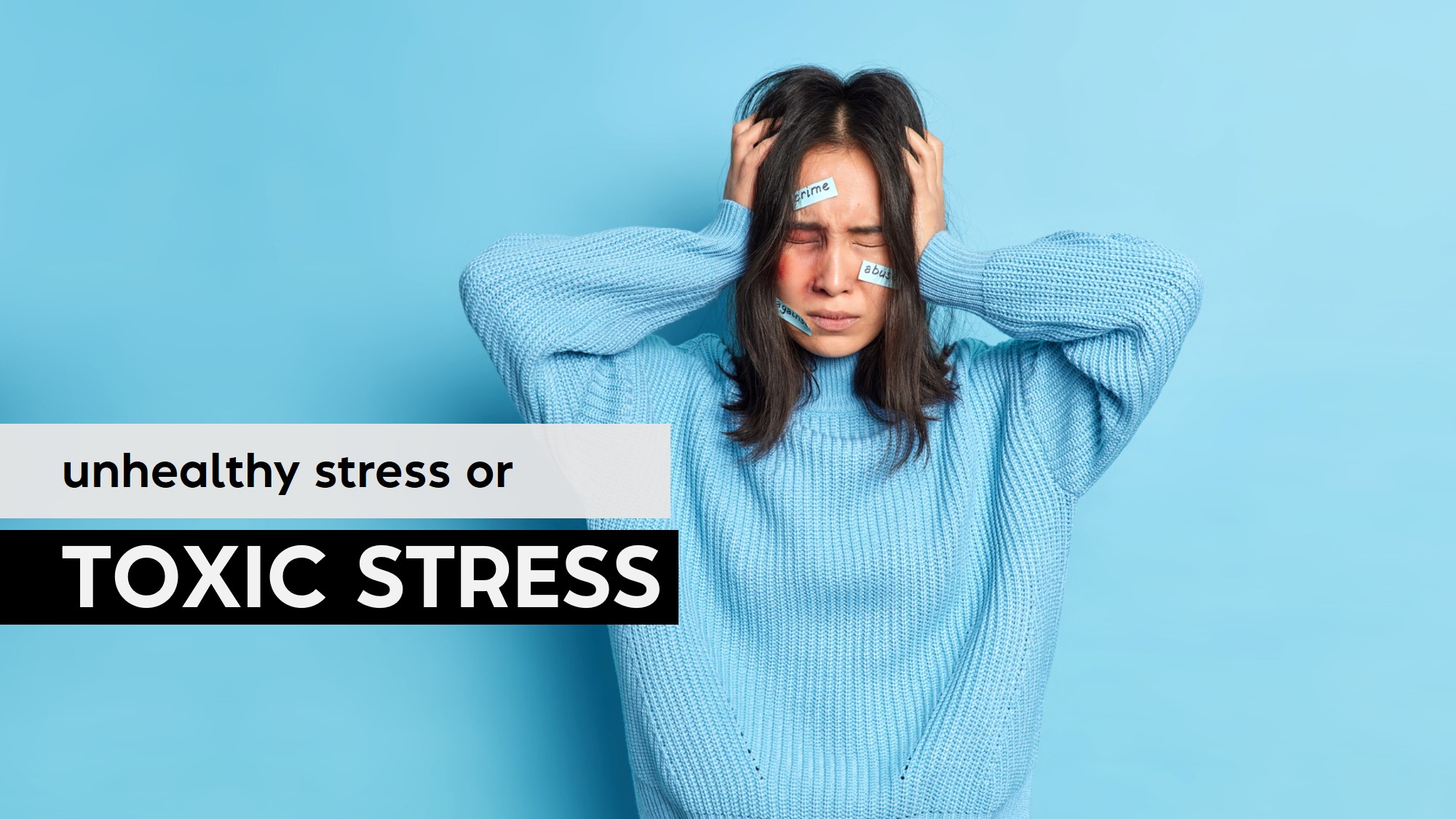
Stress is a natural part of life. It’s your body’s automatic response to threats, challenges, and difficult situations. But not all stress is the same. While some stress can motivate you and help you grow, toxic stress is chronic, overwhelming stress that can seriously and permanently harm your physical and mental well-being.
Understanding what is toxic stress and how it differs from normal stress is crucial for protecting yourself and your loved ones. In this guide, we’ll explore the types of stress, what causes toxic stress, its warning signs, and how to prevent it from controlling your life.
Understanding stress response

Understanding the Stress Response: From Positive Stress to Toxic Stress
It’s important to distinguish among three types of stress responses: positive, tolerable, and toxic. These terms refer to how the stress response systems affect your body, not to the stressful event itself.
Positive Stress Response
Positive stress response is a normal and essential part of healthy development. It’s characterized by brief increases in heart rate and mild elevations in hormone levels.
Examples of positive stress:
- Anxiety about new situations (first day of school or work)
- Frustration with challenging tasks
- Excitement before an important event
This type of stress is short-lived and helps you adapt and grow.
Tolerable Stress Response
Tolerable stress activates the body’s alert systems to a greater degree due to more severe, longer-lasting difficulties. However, it differs from toxic stress because you have a healthy support system and effective coping tools.
Examples of tolerable stress:
- Serious illness or injury
- Loss of a loved one
- Natural disasters
- Divorce or relationship breakup
With proper support, people can recover from tolerable stress without lasting damage.
Toxic Stress Response
Toxic stress occurs when you experience strong, frequent, and/or prolonged adversity without adequate support. This prolonged activation of stress response systems can disrupt brain development, weaken organ systems, and increase the risk for stress-related diseases, cognitive impairment, and mental health conditions—effects that can last well into adulthood.
Examples of toxic stress:
- Domestic violence exposure
- Chronic neglect or abuse
- Extreme poverty
- Caregiver substance abuse or mental illness
When toxic stress occurs continually or is triggered by multiple sources, it can have a cumulative toll on physical and mental health for a lifetime.
The Threshold of Stress: Understanding When It Turns Into Toxic Stress
Not all stress becomes toxic. The key difference lies in duration, intensity, and available support.
Risk Factors vs. Protective Factors:
| Risk Factors | Protective Factors |
|---|---|
| Emotional/physical neglect | Strong social support |
| Physical, sexual, emotional trauma | Effective coping skills |
| Unemployment or poverty | Financial stability |
| Existing mental health conditions | Strong problem-solving abilities |
| Limited social support | High self-efficacy |
| Poor coping skills | Optimism and hope |
| High-crime neighborhood | Higher education |
| Limited healthcare access | Consistent nurturing relationships |
Causes and Triggers of Toxic Stress
What causes toxic stress? Toxic stress typically occurs in response to ongoing stressors or prolonged exposure to adversity. Sometimes a specific traumatic event triggers it, but usually, it results from stressful circumstances and multiple stress factors persisting over time.
Common causes include:
- Chronic neglect or abuse during childhood
- Prolonged exposure to violence
- Persistent family economic hardship
- Living with anxiety disorders or depression
- Ongoing relationship problems
- Long-term unemployment
- Chronic illness without support
Signs of Toxic Stress
Toxic stress affects the body in many ways.
Physical symptoms:
- Headaches, muscle aches, gastrointestinal upset
- Increased heart rate, blood pressure
- Sleep disturbances or nightmares
- Changes in appetite and weight
Emotional and behavioral symptoms:
- Trouble regulating emotions, irritability, anxiety, or depression
- Impulsive or destructive behavior
- Increased substance or alcohol use
- Trouble focusing or remembering things
- Social withdrawal or isolation
- Constantly feeling anxious or overwhelmed
- Racing or negative thoughts
Additional signs in children:
- Rebellion and defiance
- Doing poorly in school
- Tantrums and aggressive behavior
- Self-destructive behavior in teens
How to Prevent Stress from Becoming Toxic?
Fortunately, you can prevent stress from evolving into toxic stress. If you notice symptoms in yourself or others, try these strategies:
Take Care of Yourself
Getting enough sleep, exercising regularly, and eating a balanced diet combat stress and boost immunity. Physical health is foundational to managing stress.
Forge Healthy Relationships
Having a strong support system with positive friends and family members is one of the best defenses against toxic stress. Don’t isolate yourself—reach out for connection.
Focus on Things You Can Control
Feeling out of control contributes to stress. Instead of dwelling on stressful events, focus on positive aspects of your life and take action where possible.
Find Relaxation Techniques That Help You De-Stress
Incorporate practices that promote relaxation into your routine:
- Meditation and mindfulness
- Deep breathing exercises
- Yoga or tai chi
- Progressive muscle relaxation
- Hobbies you enjoy
Set Goals and Plan for Your Future
When experiencing toxic stress, people often believe their situation will never improve, leading to hopelessness. Goals and plans provide direction, purpose, meaning, and optimism that circumstances can improve.
When to Seek Professional Help:
If stress symptoms persist despite self-care efforts, or if you experience thoughts of self-harm, seek help from a mental health professional. Psychotherapy and proper treatment can help you develop effective coping strategies.
Looking for a psychiatrist in Ahmedabad? Contact Parth Hospital for expert support.
Frequently Asked Questions
What is toxic stress and how is it different from regular stress?
Toxic stress is chronic, prolonged stress without adequate support that causes lasting harm to physical and mental health. Regular stress is temporary and manageable with healthy coping mechanisms. Toxic stress disrupts brain development, weakens the immune system, and increases disease risk, while normal stress resolves once the stressor is removed.
What causes toxic stress in children?
Toxic stress in children is caused by prolonged adversity without adequate adult support, including physical or emotional abuse, chronic neglect, caregiver substance abuse or mental illness, exposure to domestic violence, family economic hardship, or loss of a parent. The key factor is experiencing these stressors without protective, nurturing relationships.
When should I seek professional help for my child or myself?
Seek professional help if stress symptoms persist for more than two weeks, interfere with daily functioning, worsen despite self-care, or include thoughts of self-harm. Also seek help if you notice behavioral changes in children (aggression, withdrawal, declining school performance) or if you’re using substances to cope with stress.
How does toxic stress affect the body?
Toxic stress triggers prolonged activation of stress response systems, disrupting brain architecture, weakening the immune system, increasing inflammation, raising blood pressure and heart rate, causing sleep disturbances, impairing memory and concentration, and increasing risk for anxiety, depression, heart disease, diabetes, and other chronic conditions throughout life.
How does Parth Hospital help families dealing with toxic stress?
Parth Hospital provides comprehensive mental health services including psychiatric evaluation, psychotherapy (CBT, family therapy), stress management techniques, medication when appropriate, and ongoing support. Our experienced team helps individuals and families develop healthy coping strategies, build resilience, and address underlying conditions contributing to toxic stress.
Related Resources:
- Understanding Anxiety Disorders
- Clinical Depression: What It Means
- Key Factors That Provoke Depression
- Burnout vs Depression
- Warning Signs Your Mental Health May Be Declining
- Psychotherapy and Counselling Services
- General Psychiatry Services
Source: Banner image by www.freepik.com