



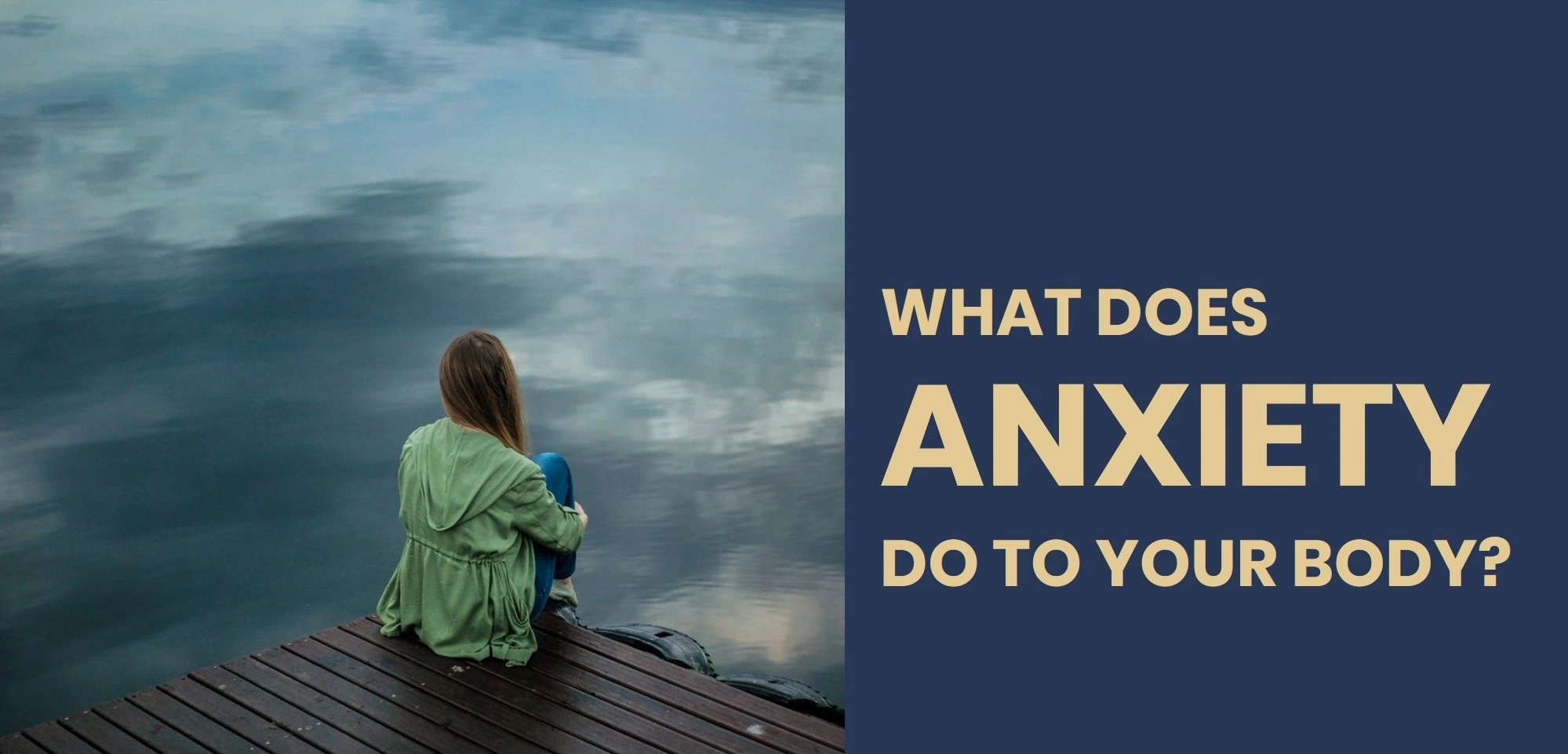
Have you ever felt your heart racing, stomach churning, or palms sweating during stressful moments? That’s anxiety at work. While occasional anxiety is normal, chronic anxiety can take a serious toll on your physical health.
Anxiety affects up to 30% of people at some point in their lives, making it one of the most common mental health conditions worldwide. Let’s explore what anxiety does to your body and why chronic anxiety should not be ignored.
What Is Anxiety and Why Does It Affect the Body?
Anxiety is your body’s natural protective mechanism—the “fight or flight” response designed to keep you safe. When you perceive a threat, your brain triggers stress hormones like cortisol and adrenaline, creating immediate physical changes: increased heart rate, faster breathing, heightened alertness, and redirected blood flow to major muscles.
This response is helpful in genuinely dangerous situations. However, when anxiety becomes chronic or occurs without real threats, these physical changes can harm your body over time.
Common Physical Symptoms of Anxiety
When anxiety strikes, your body responds in multiple ways:
- Headaches and muscle tension – Particularly in the neck, shoulders, and jaw, leading to tension headaches and chronic pain
- Sleep disturbances – Insomnia, difficulty falling asleep, frequent waking, or nightmares
- Digestive issues – Stomach pain, nausea, diarrhea, constipation, or loss of appetite
- Rapid heartbeat and chest pain – Racing heart, palpitations, or chest tightness (often mistaken for a heart attack during panic attacks)
- Sweating, shaking, and dizziness – Trembling, excessive sweating, lightheadedness, hot flashes, or chills
Long-Term Effects of Anxiety on Your Body
When anxiety persists for months or years, it can cause serious health problems:
- Weakened immune system – Chronic stress suppresses immune function, increasing susceptibility to infections
- Increased risk of heart disease – Prolonged anxiety raises blood pressure and contributes to hypertension, heart disease, and stroke
- Chronic fatigue and burnout – Constant alertness exhausts your body, leading to persistent fatigue and burnout
- Worsened digestive disorders – Can trigger or worsen IBS, acid reflux, and stomach ulcers
- Memory and concentration issues – Impairs cognitive function, making it difficult to focus or remember information
When to See a Psychiatrist?
Seek professional help if:
- Anxiety symptoms interfere with daily life, work, or relationships
- Physical symptoms persist despite no underlying medical cause
- You experience panic attacks
- You’re using alcohol or substances to cope
- Symptoms have lasted more than six months
- You feel overwhelmed or hopeless
A mental health professional will evaluate both your physical and emotional symptoms, asking about duration, severity, and any triggering events to provide an accurate diagnosis.
Treatment for Anxiety Disorder
Anxiety disorder treatment is tailored to your specific needs. Treatment options include:
Psychotherapy – Cognitive Behavioral Therapy (CBT) is highly effective, helping you identify and change negative thought patterns.
Medication – Anti-anxiety medications and antidepressants can help manage symptoms when prescribed by a psychiatrist.
Lifestyle Changes – Regular exercise, adequate sleep, stress management techniques, and avoiding caffeine and alcohol significantly reduce anxiety.
Relaxation Techniques – Mindfulness, meditation, deep breathing, and progressive muscle relaxation help calm the body’s stress response.
While there is no “cure” for anxiety, treatment combining therapy and medication is very effective in alleviating symptoms and improving quality of life.
Conclusion
Anxiety doesn’t just affect your mind—it has profound effects on your entire body. From rapid heartbeat and digestive problems to long-term risks like heart disease and weakened immunity, chronic anxiety should never be ignored.
If you’re experiencing persistent anxiety symptoms, don’t delay seeking help. Anxiety disorders are highly treatable, and early intervention prevents symptoms from worsening.
Looking for an anxiety doctor in Ahmedabad? Contact Parth Hospital for professional psychiatry services.
Frequently Asked Questions
Can anxiety cause chest pain or heart problems?
Yes, anxiety commonly causes chest pain, tightness, and palpitations. While anxiety-related chest pain is usually harmless, chronic anxiety increases the risk of developing hypertension and cardiovascular disease. If you experience severe chest pain, seek immediate medical attention.
What does anxiety do to your stomach?
Anxiety affects your digestive system through the gut-brain connection, causing nausea, stomach pain, cramping, diarrhea, constipation, or loss of appetite. Chronic anxiety may worsen or trigger digestive disorders like IBS, acid reflux, and ulcers.
Can anxiety make you sick for days?
Yes, prolonged anxiety weakens your immune system, making you more susceptible to infections. The persistent stress response can cause ongoing fatigue, headaches, digestive issues, and general malaise lasting days or weeks.
How do I know if my symptoms are from anxiety or another illness?
See a healthcare provider for proper evaluation to rule out physical health problems. If medical causes are excluded and symptoms worsen with stress or improve with relaxation, anxiety is likely the cause. A mental health professional can provide an accurate diagnosis.
What is the best treatment for anxiety disorders?
The most effective treatment is typically a combination of psychotherapy (especially CBT) and medication. Lifestyle changes, stress management techniques, and regular exercise also play crucial roles. Treatment should be personalized based on your specific symptoms and needs.
Related Resources:
- Understanding Anxiety Disorders
- Warning Signs Your Mental Health May Be Declining
- Understanding Toxic Stress
- Burnout vs Depression
- Psychotherapy Services
Source: Banner Image Source: www.freepik.com