



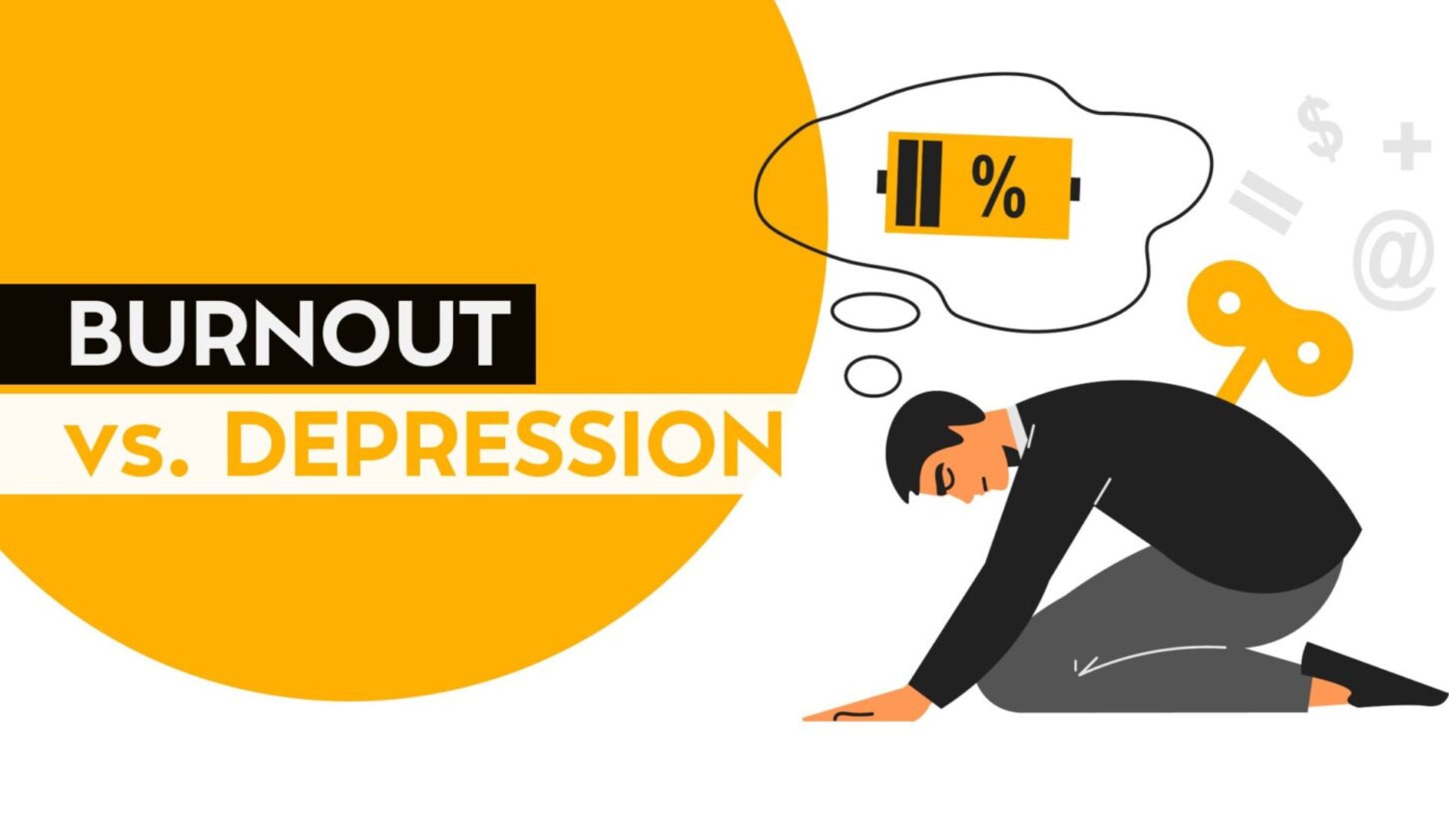
Feeling exhausted, unmotivated, and overwhelmed? In today’s fast-paced world, many struggle with persistent fatigue and emotional distress. But is it burnout from work stress, or could it be depression?
While burnout and depression share similar symptoms, they’re distinct conditions requiring different treatment approaches. Understanding the difference is crucial for getting the right help.
Is Burnout and Depression the Same Thing?
No, burnout and depression are not the same.
Burnout is emotional, mental, and physical exhaustion from long-term exposure to chronic stress, emotionally demanding situations, overworking, and pushing yourself too hard without self-care. Burnout occurs when stress and activity levels far outweigh rest and recovery.
Depression is a clinical mental health condition characterized by persistent sadness, loss of interest, and various physical and emotional problems. It can occur without an obvious external cause.
Key Distinction: Burnout has a definitive root cause (usually work-related), while depression can develop with or without clear external triggers.
Symptoms of Burnout vs Depression
Burnout Symptoms:
- Exhaustion and feeling drained
- Cynicism and detachment from work
- Reduced work performance
- Trouble thinking or making decisions
- Loss of empathy
- Social withdrawal, restlessness, irritability
- Physical symptoms (headaches, back pain)
- Insomnia and anxiety
Depression Symptoms:
- Persistent sadness or empty mood
- Loss of interest in activities once enjoyed
- Significant appetite or weight changes
- Sleep disturbances
- Fatigue and low energy
- Feelings of worthlessness or excessive guilt
- Difficulty concentrating
- Thoughts of death or suicide
Important: If you experience suicidal thoughts, seek immediate professional help.
Causes of Burnout vs Causes of Depression
Causes of Burnout: Burnout arises when your external environment has prolonged negative impact on your health. Common causes include:
- Long work hours and high workload
- Unrealistic expectations
- Toxic workplace culture
- Perfectionism
- Low compensation
- Lack of work-life balance
- Caregiving responsibilities
Causes of Depression: Depression is more complex, sometimes occurring without clear cause:
- Genetics and family history
- Brain chemistry imbalances
- Past trauma or abuse
- Major life changes or losses
- Chronic medical conditions
- Long-term stress
- Social isolation
Treatment Approaches: Burnout vs Depression
For Burnout: Recovery focuses on rest and lifestyle changes:
- Prioritize sleep and healthy routines
- Eat a balanced diet
- Take time for enjoyable activities
- Reconnect with family and friends
- Practice meditation, yoga, or mindfulness
- Set boundaries at work
- Improve work-life balance
For Depression: Depression requires professional treatment:
- Psychotherapy: Cognitive Behavioral Therapy (CBT)
- Medication: Antidepressants prescribed by a psychiatrist
- Combination therapy: Often most effective
- Lifestyle changes: Exercise, sleep, nutrition
- Support groups: Connecting with others
Support & When to Seek Professional Help
While burnout may improve with rest, professional help is often necessary for depression.
Seek help if:
- Symptoms persist beyond two weeks
- Symptoms interfere with daily functioning
- You experience thoughts of self-harm
- Self-care strategies aren’t helping
- You’re unsure whether you have burnout or depression
A mental health professional can properly diagnose your condition and create an appropriate treatment plan.
Conclusion
While burnout and depression share overlapping symptoms, they’re distinct conditions. Burnout typically stems from work-related stress and improves with rest and environmental changes. Depression is a clinical condition requiring professional treatment.
Understanding the difference helps you get the right support. If symptoms persist despite self-care, seek professional help. Both conditions are treatable, and recovery is possible.
Looking for a psychiatrist in Ahmedabad? Contact Parth Hospital for expert support.
Frequently Asked Questions
What is the main difference between burnout and depression?
Burnout has a clear external cause (usually work-related) and is situation-specific, while depression is a clinical condition that can occur without obvious triggers and affects all areas of life. Burnout typically improves with rest; depression requires professional treatment.
Can burnout turn into depression?
Yes, untreated burnout can develop into clinical depression. Prolonged stress from burnout can affect brain chemistry and lead to depression. Addressing burnout early is important. If symptoms persist despite rest, seek professional evaluation.
Is exhaustion always a sign of depression?
No. Exhaustion can result from burnout, poor sleep, medical conditions, or stress. Depression includes exhaustion plus other symptoms like persistent sadness, loss of interest, feelings of worthlessness, and appetite/sleep changes.
Can I have both burnout and depression at the same time?
Yes. Chronic burnout can trigger depression, or someone with depression may also face burnout. Having both requires comprehensive treatment addressing environmental stressors and clinical depression.
When should I see a psychiatrist in Ahmedabad for burnout or depression?
See a psychiatrist if symptoms persist beyond two weeks, interfere with daily life, worsen despite self-care, or include suicidal thoughts. Also seek help if you’re unsure which condition you have or if burnout doesn’t improve with rest.
Related Resources:
- Clinical Depression: What It Means
- Key Factors That Provoke Depression
- Understanding Toxic Stress
- Understanding Anxiety Disorders
- Warning Signs Your Mental Health May Be Declining
- Psychotherapy and Counselling Services
- General Psychiatry Services
Source: Banner image by Freepik.com