




- Home
- >
- Second Opinion
Expert Second Opinions for Peace of Mind
Mental health illnesses are often complex, with periods of improvement and relapse. Patients and families may reach a point where progress stalls. Seeking a second opinion isn’t about doubt—it’s about gaining clarity, reassurance, and informed decisions.
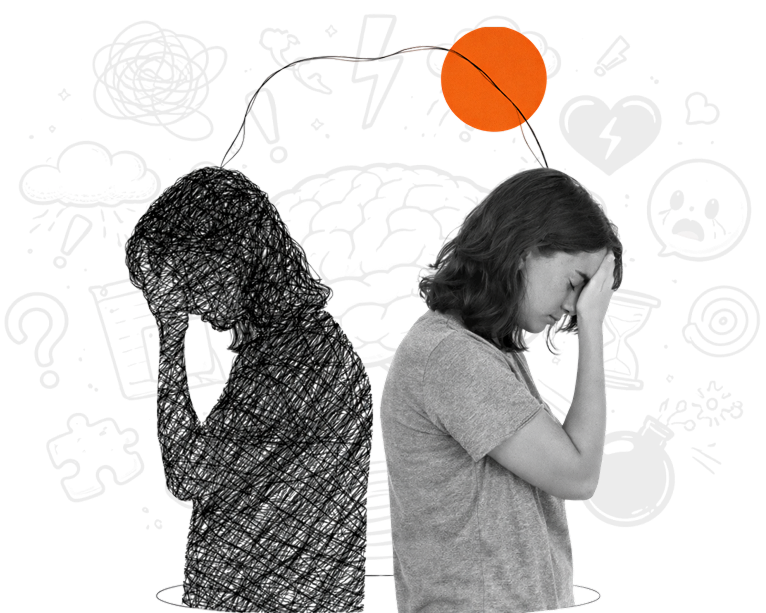
At Parth Hospital, Ahmedabad,
We help Patients and Caregivers Understand



Mental health care progresses through Multiple phases, demands Long-term treatment, and produces individual-specific outcomes.
This phase is clinically referred to as a “State of No Change” or “Plateau.”
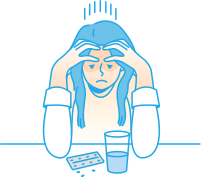
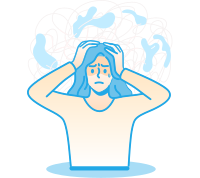
Inadequately Controlled
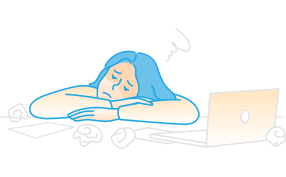
Significant Side Effects
Psychiatric Medications
Medications Need to Be Continued

Medicines are Continued
Functioning, Work, or Routine Life
- Symptoms stop improving
- Increasing medication dose does not bring further benefit
- Residual symptoms continue to affect quality of life
- Frequent stopping or irregular intake of medications
- Inadequate medication dosage
- Treatment-resistant psychiatric illness
- Multiple or intolerable side effects
- Financial burden of long-term medication use
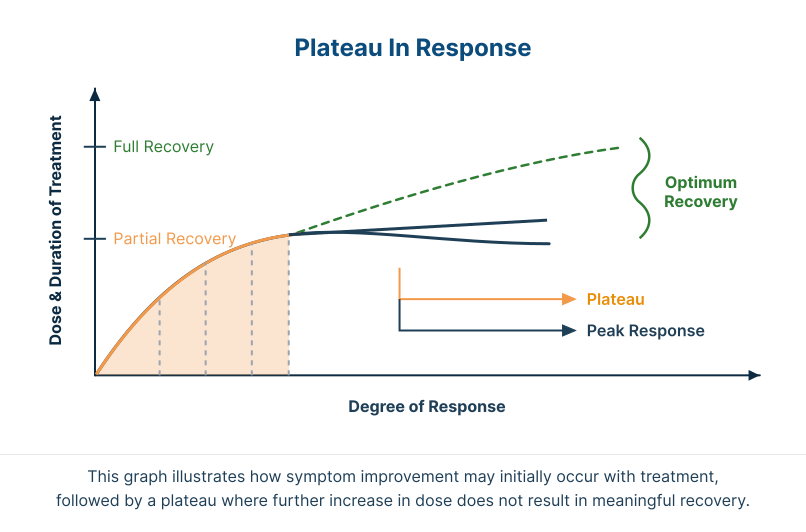
In psychiatry, response to treatment does not always mean complete recovery. Even with adequate treatment:
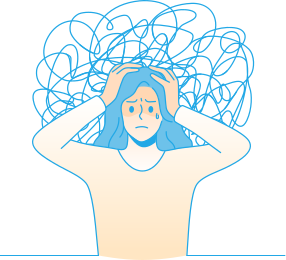
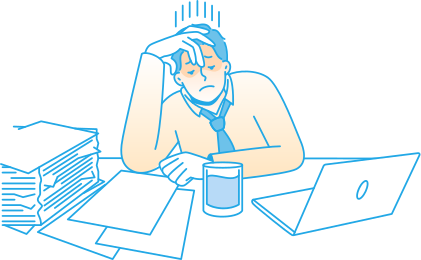
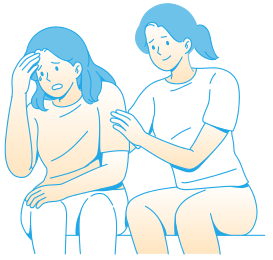
This is particularly seen in Treatment-Resistant Major Depressive Disorder (MDD), Schizophrenia,
Bipolar Disorder, OCD, and Chronic Psychiatric Illnesses.
Clinical Examples
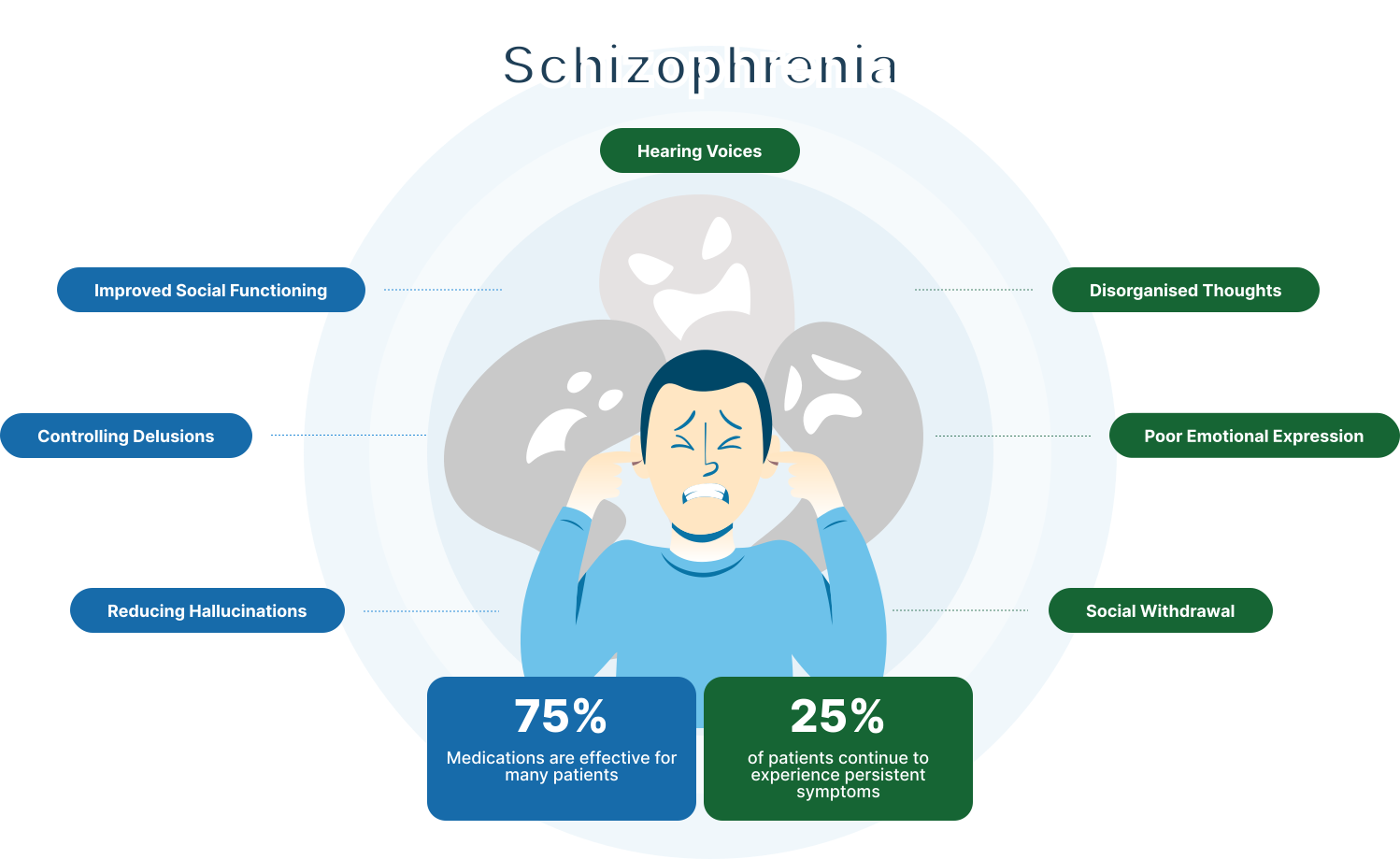
Even with regular treatment, these symptoms may not fully resolve.
Such cases are described as Treatment-Resistant Schizophrenia,
where improvement reaches a plateau despite adequate medication trials.
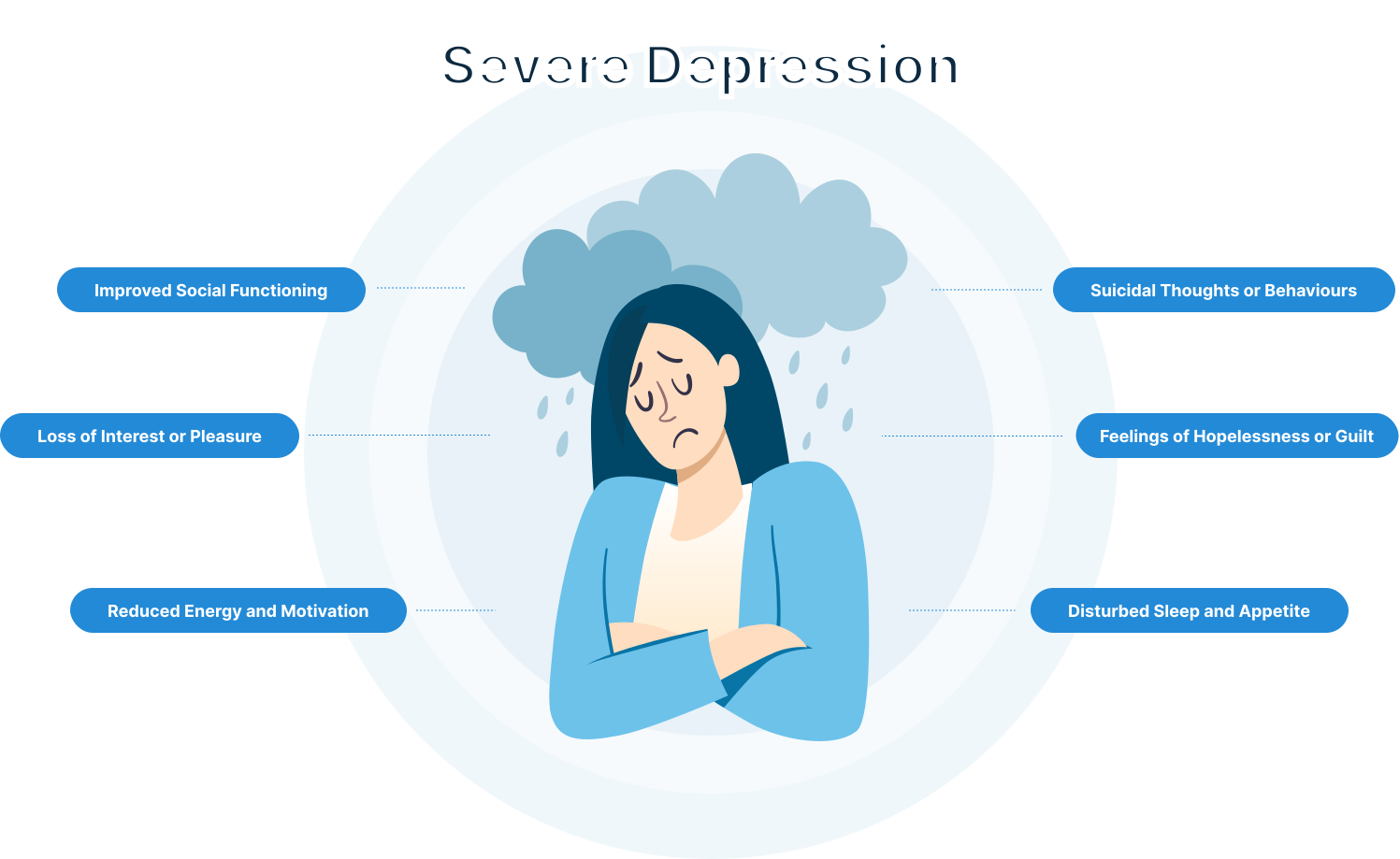
This can occur despite adequate trials of antidepressant medications, given at the right dose and duration.
When symptoms show minimal or no improvement even after multiple treatment attempts, the illness may be classified as Treatment-Resistant Depression (TRD).
In such cases:
This is referred to as a plateaued treatment response
Medications may help Partially
Core Symptoms may Persist
Daily functioning and quality of life remain Impaired
When symptoms remain unchanged over long periods, the impact goes far beyond medical charts.
- Severe impairment in daily functioning
- Inability to work, study, or maintain routines
- Reduced independence and decision-making ability
- Decisions about admission or advanced treatment need clarity
- Excessive side-effects due to prolonged use of medication
- Emotional exhaustion
- Constant supervision responsibilities
- Financial strain due to ongoing treatment costs
- Uncertainty about long-term outcomes
At this stage, continuing the same approach without reassessment may not be beneficial.
Clinically, only two evidence-based paths remain.
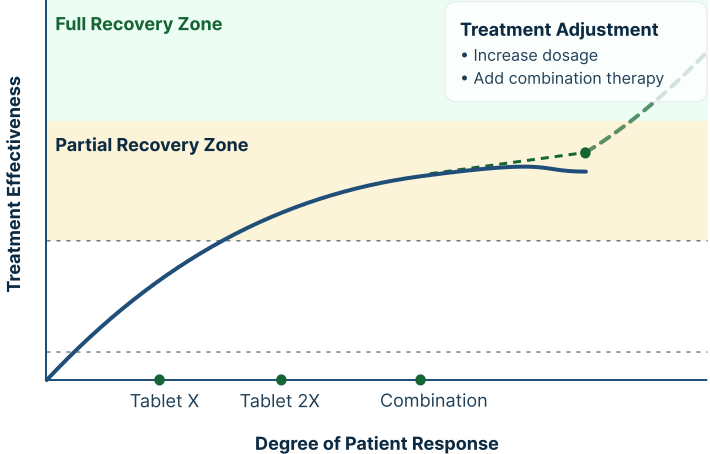
- Increase the dosage of existing medications, or
- Add additional psychiatric medications
- Reduce certain symptoms temporarily
- Provide partial improvement
- Higher risk of side effects
- Increased medication burden
- Need for prolonged or lifelong medication use
- Reduced tolerability in some patients
- Improve symptom control in treatment-resistant cases
- Reduce dependence on multiple medications
- Lower long-term side-effect burden
- Improve overall quality of life and functioning
- Provide faster relief compared to traditional therapies
- Offer non-invasive or minimally invasive treatment options
- Target specific brain regions for personalized care
- Support sustained recovery with maintenance sessions
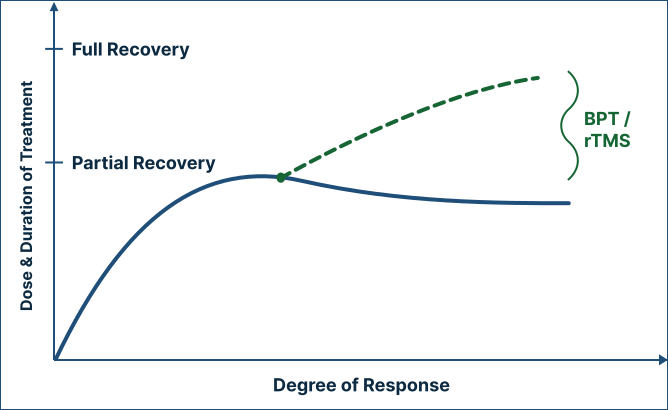
In Psychiatry, Treatment options are often understood through a stepwise model, balancing effectiveness and safety.

Illness

Symptoms

Treatments

Tolerance
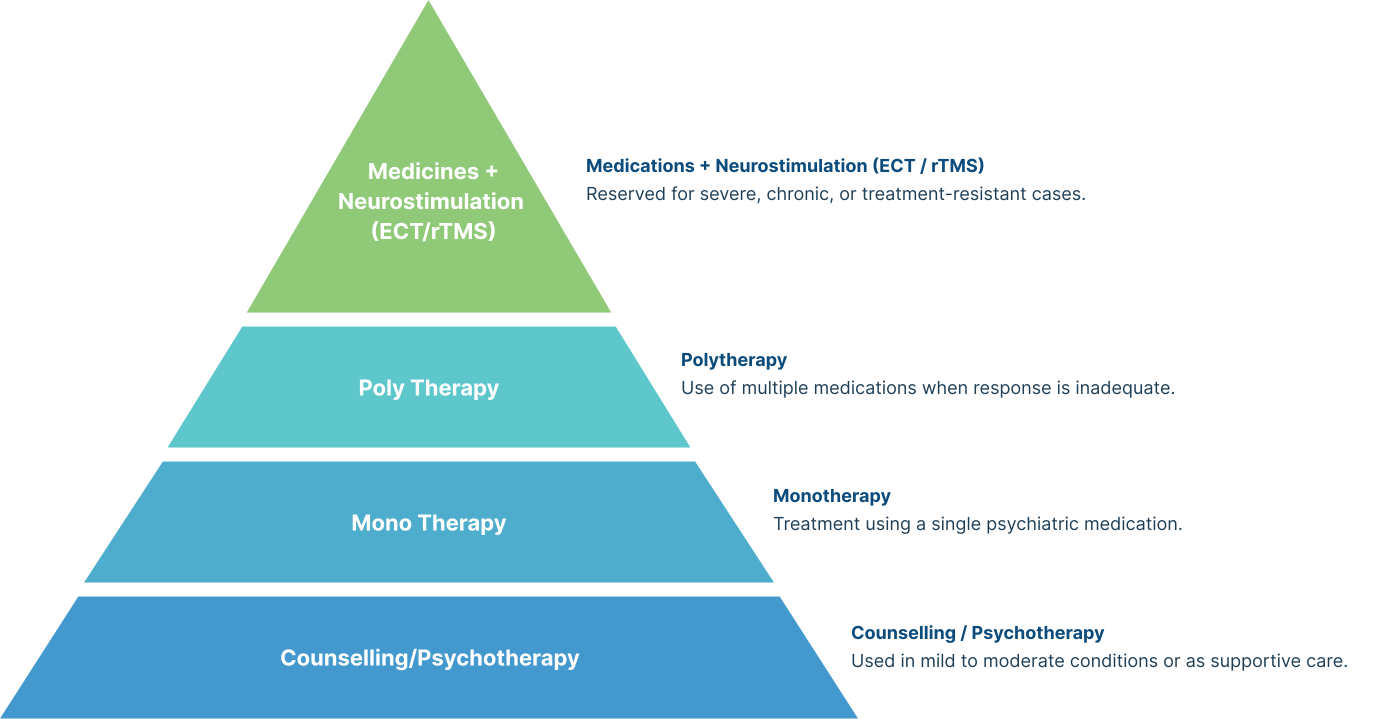
There is no single treatment that fits every patient.





In certain emergency or life-threatening situations — such as severe agrresion, homicidal or suicidal behaviour and catatonia — ECT may be the safest and most effective option, and alternatives may not be appropriate.
All the sections are Individualised, Clinically guided, made after detailed
discussion with patients and caregivers.
Over years of clinical practice, we have seen a recurring pattern among patients and families who approach us.
Many arrive not because care was lacking elsewhere — but because clarity was missing. Common concerns we hear include:





These concerns reflect uncertainty and unanswered questions, not negligence or failure.

At Parth Hospital, We are often consulted for cases where:
- Symptoms have not fully improved
- Treatment outcomes have plateaued
- Families need clearer guidance
- Patients experience significant side-effects
- Multiple medications show limited results
- Second opinion is needed for complex cases
- Rapid symptom relief is required
- Alternative treatment options are explored
- Long-term medication concerns exist
Second opinions are an integral part of how we practise psychiatry.




Our role is to help patients and caregivers see the full picture, not to replace or contradict previous care.





We believe Psychiatric Decisions should be made with Knowledge,
Context, and Confidence – not Fear or Confusion.



We are always happy to help.