




- Home
- >
- Major Depressive Disorder
When Sadness Becomes a Clinical Condition
Depression is characterized by persistent feelings of sadness, hopelessness, and loss of interest in activities. It is more than temporary sadness and affects how you feel, think, and handle daily activities. When these symptoms persist for at least two weeks and interfere with daily functioning, it is diagnosed as a clinical disorder.

Persistent Sad, Anxious, or Empty Mood Lasting for Weeks
Loss of Interest in Activities Once Enjoyed, Including Hobbies and Social Interactions
Changes in Appetite and Weight (Significant Loss or Gain)
Sleep Disturbances - Insomnia or Excessive Sleeping
Fatigue and Decreased Energy, Even with Adequate Rest
Feelings of Worthlessness, Guilt, or Helplessness
A clear and compassionate visual overview of Major Depressive Disorder, highlighting key symptoms, causes, and treatment options. Designed to help individuals and families better understand the condition and recognize when to seek professional support.
Understanding the Condition

- Depressed mood nearly all day, most days, by self-report or observation
- Loss of interest or pleasure in nearly all activities most of the day
- Significant weight or appetite changes (loss or gain) without dietin
- Insomnia or hypersomnia nearly every day
- Psychomotor agitation or retardation nearly every day (observable by others)
- Fatigue or loss of energy nearly every day
- Feelings of worthlessness or excessive or inappropriate guilt
- Diminished ability to think or concentrate, or indecisiveness
- Recurrent thoughts of death, suicidal ideation, or suicide attempt
Exploring Related Conditions
Depressed Mood - Frequent Low Mood
Low Energy - Chronic Fatigue and Tiredness
Poor Appetite - Or Overeating
Low Self-Esteem - Feeling Inadequate
Poor Concentration - Difficulty Making Decisions
Feelings of Hopelessness - Persistent Negative Outlook
People who suffer from depression may experience:
Difficulty Concentrating and Deciding
Guilt, Worthlessness, and Helplessness
Persistent Pessimism and Hopelessness
Types of Major Depressive Disorder (MDD)

Postpartum Depression
A serious mood disorder that affects women after childbirth, involving severe mood swings, exhaustion, and feelings of inadequacy. Postpartum depression can begin anytime within the first year after delivery and is more intense and longer-lasting than “baby blues.” Symptoms include:
- Severe mood swings and irritability
- Difficulty bonding with the baby
- Overwhelming fatigue and loss of energy
- Intense anxiety and panic attacks
- Thoughts of harming yourself or the baby
Seasonal Affective Disorder (SAD)
A type of depression related to changes in seasons, typically beginning in fall and continuing through winter months.
Seasonal affective disorder symptoms:
- Feeling depressed most of the day, nearly every day
- Losing interest in activities you once enjoyed
- Low energy and feeling sluggish
- Oversleeping and difficulty waking up
- Carbohydrate cravings and weight gain
- Difficulty concentrating


Psychotic Depression
Depression accompanied by psychotic symptoms such as delusions or hallucinations.
- Delusions - Believing Things Despite Evidence
- Hallucinations - Seeing/Hearing Unreal Things
- Paranoia - Intense, Irrational Mistrust
- Psychomotor Issues - Movement Changes
Early diagnosis leads to better outcomes. Our comprehensive mental health assessment includes symptom evaluation, clinical interviews, and evidence-based screening tools to create your personalized treatment plan.
Depression is treated through therapy, medication, lifestyle changes, and professional support tailored to each individual’s needs.
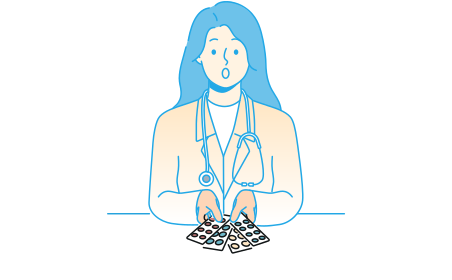
Medicines from the SSRIs and SNRIs are the mainstay of treatment. Mild to moderate cases respond well to medicines. There are multiple other groups of medicines that can be used as additional forms of treatment.
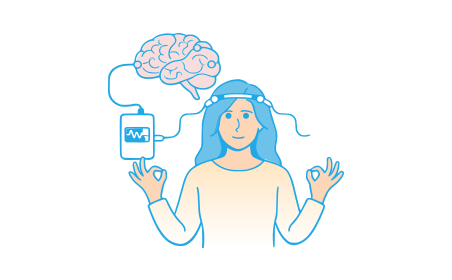
rTMS and ECT effectively treat moderate to severe depression. Treatment combines therapies based on severity, with medications for ongoing maintenance.
Please refer to our dedicated page for more information.

CBT and REBT effectively treat mild and endogenous depression. These methods also support primary treatments as adjunct therapy.
Please refer to our dedicated page for more information.
A clear and compassionate visual overview of Major Depressive Disorder, highlighting key symptoms, causes, and treatment options. Designed to help individuals and families better understand the condition and recognize when to seek professional support.