




- Home
- >
- Psychiatry Services
Outpatient and Inpatient Psychiatric Care
Mental health conditions affect millions worldwide and require a range of services – from structured inpatient care to ongoing outpatient support.
At Parth Hospital, we provide a full spectrum of psychiatric services designed to meet the needs of patients at every stage of their mental health journey.

Understanding Mental Health Needs –
A Global & National Perspective
Nearly 1 in 7 people globally (over 1.1 billion) live with a mental disorder, with anxiety and Major Depressive Disorder (MDD) among the most common conditions affecting people worldwide.
In India, approximately 11 in every 100 adults suffer from diagnosable mental health disorders, representing a significant portion of the population requiring care.
About 15% need intervention at some point in life, highlighting the importance of accessible mental health services for timely support and recovery.
Despite prevalence, up to 70-92% of people with mental disorders do not receive adequate treatment, due to stigma, lack of awareness, and shortage of trained professionals.
The WHO recommends at least 3 psychiatrists per 100,000 people to provide adequate mental health care and ensure timely access to professional treatment services.
India currently has about 0.75 psychiatrists per 100,000 people, highlighting the significant treatment gap and urgent need for more mental health professionals nationwide.
What are Psychiatric Services?
Psychiatric services encompass medical, psychological, and social treatments aimed at diagnosing, managing, and supporting individuals with mental health conditions. Care is delivered in different settings:
Outpatient (OPD)
Scheduled consultations and treatments without overnight hospitalisation.
Inpatient (IPD)
Intensive care provided within a hospital setting, including round-the-clock evaluation and support.
Both levels play complementary roles in addressing mental health needs and ensuring continuity of care.

Outpatient services are ideal for:
- Ongoing care and medication monitoring to ensure treatment effectiveness and adjust dosages as needed
- Follow-up after inpatient treatment to maintain progress and prevent relapse through continued support
- Addressing mild to moderate symptoms that don't require hospitalization but need professional intervention
- Regular therapy and counselling without staying overnight while maintaining your daily routine
Outpatient care allows patients to maintain daily routines, work, family roles, and social life while receiving structured mental health support. It is often the first point of contact and an essential setting for long-term management
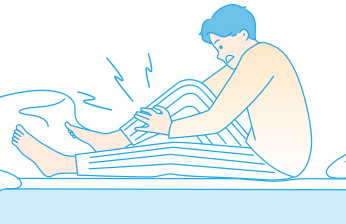
Inpatient treatment is recommended for individuals who:
- Require 24/7 supervision due to severe symptoms or safety concerns
- Need intensive medication management
- Have not responded to outpatient treatment alone
- Require structured support to stabilise acute disturbances
In psychiatric settings, inpatient care allows for a controlled, therapeutic environment where multidisciplinary teams, including psychiatrists, psychologists, and nurses, provide coordinated support.
At Parth Hospital, our psychiatry services combine clinical expertise, compassionate care, and
evidence-based interventions to manage mental health conditions across all age groups
Outpatient Psychiatric Consultations (OPD)

Initial psychiatric assessment and diagnosis
Follow-up care and long-term treatment planning
Second opinion consultations for treatment-resistant or unclear cases
OPD helps patients maintain their normal routines while actively participating in recovery and resilience building.
Inpatient Psychiatric Care (IPD)




IPD is recommended when close supervision and uninterrupted therapeutic support are essential for safety and recovery
Psychiatric care is relevant for a wide range of mental health conditions, including but not limited to:


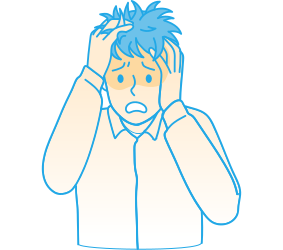
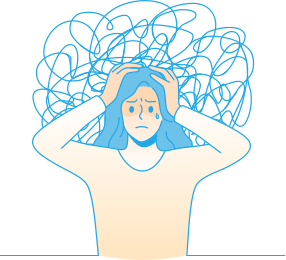
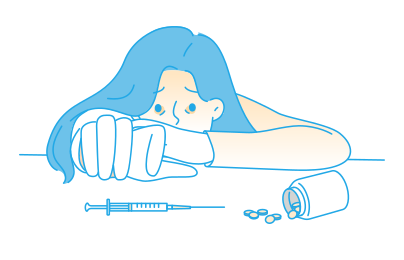

Proper diagnosis and treatment planning are essential because mental illnesses can significantly
impair daily functioning and quality of life.

At Parth Hospital, we combine:
- Clinical evaluation by experienced psychiatrists
- Multidisciplinary interventions
- Evidence-based treatments (medication, therapy, neuro stimulation)
- Patient and family education
- Personalized treatment plans tailored to individual needs
- Regular progress monitoring and care adjustments
- Collaborative approach with patients as active partners
- Integration of holistic wellness practices
Our aim is to help you or your loved ones move from symptom management to functional
recovery with dignity and clarity.
We believe mental health care should be continuous, not episodic. Many patients transition between outpatient and inpatient care depending on clinical needs. This seamless continuum ensures:
Better Symptom Control
Fewer Relapses
More Personalised Treatment Paths
Greater Confidence and Engagement in Care
FAQs
What's the difference between inpatient (IPD) and outpatient (OPD) psychiatric care?
Inpatient care (IPD) involves round-the-clock hospitalization with intensive treatment, continuous monitoring, and a controlled therapeutic environment. It’s recommended when patients require 24/7 supervision due to severe symptoms or safety concerns, need intensive medication management, or haven’t responded to outpatient treatment. Outpatient care (OPD) involves scheduled consultations without overnight hospitalization, allowing patients to maintain daily routines, work, and family roles while receiving structured mental health support through ongoing medication monitoring, therapy, and follow-up care.
How do I know whether I need inpatient or outpatient psychiatric care?
The level of care depends on symptom severity, safety concerns, and treatment response. Inpatient care is appropriate when there’s risk of harm, severe acute symptoms requiring constant supervision, need for intensive medication adjustment, or when outpatient treatment hasn’t been effective. Outpatient care is suitable for ongoing medication monitoring, follow-up after inpatient treatment, addressing mild to moderate symptoms, and regular therapy while maintaining normal life activities. Your psychiatrist will assess your specific situation and recommend the appropriate level of care.
Can patients transition between inpatient and outpatient care?
Yes. At Parth Hospital, we believe mental health care should be continuous, not episodic. Many patients transition between outpatient and inpatient care depending on their clinical needs at different stages. This seamless continuum ensures better symptom control, fewer relapses, more personalized treatment paths, and greater confidence in care. For example, someone may receive intensive inpatient stabilization and then continue with outpatient follow-up for long-term management.
What mental health conditions are treated through these services?
Psychiatric services at Parth Hospital treat a wide range of conditions including psychotic disorders (schizophrenia, schizoaffective disorder), mood disorders (depression, bipolar disorder), anxiety and stress-related disorders, obsessive-compulsive disorder, substance use and addiction, and behavioral and emotional disorders. Care is provided across all age groups with proper diagnosis and treatment planning, as mental illnesses can significantly impair daily functioning and quality of life.
Why is there such a treatment gap for mental health in India?
Despite approximately 11 in every 100 adults in India suffering from diagnosable mental health disorders, up to 70–92% don’t receive adequate treatment. This gap exists due to stigma surrounding mental illness, lack of awareness about available treatments, and a severe shortage of trained professionals. While the WHO recommends at least 3 psychiatrists per 100,000 people, India currently has only about 0.75 per 100,000. This underscores the importance of accessible, evidence-based psychiatric care at both inpatient and outpatient levels.