



- Home
- >
- Substance Abuse
Substance Abuse
ADDICTION TREATMENT CENTER at Parth hospital
Understanding Substance Abuse: Beyond Just a Bad Habit
Substance abuse occurs when the use of alcohol, prescription drugs, or illegal substances causes significant harm to health, relationships, and daily functioning. It is a treatable medical condition, not a moral failure.
Key features of Illness
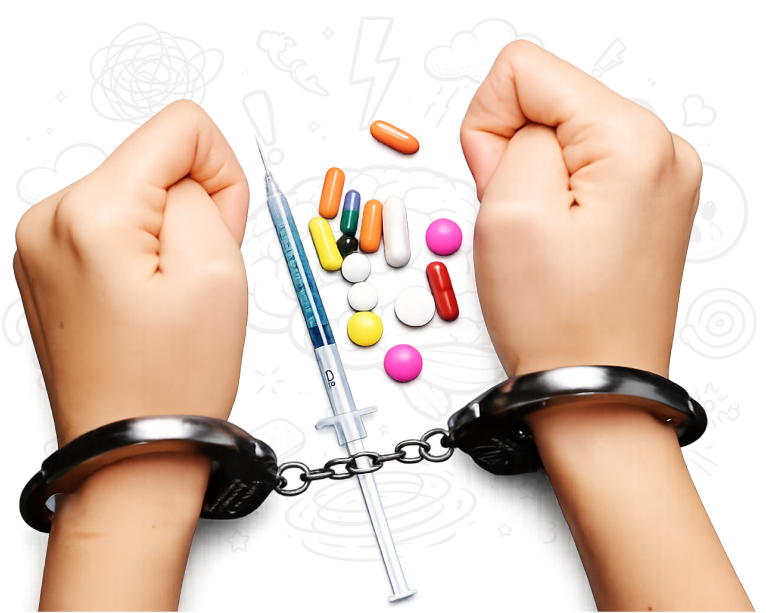
Using larger amounts of substances over longer periods than intended
Persistent desire or unsuccessful efforts to cut down or control use
Spending excessive time obtaining, using, or recovering from substances
Cravings or strong urges to use the substance
Continued use despite social, interpersonal, or physical problems
Tolerance and withdrawal symptoms when attempting to stop
Visual Guide to Substance Abuse
Discover what substance abuse looks like, how it affects the mind and body, and what you can do about it. This illustrated guide provides clear insights into diagnosis, management, and recovery pathways.
Understanding the Condition
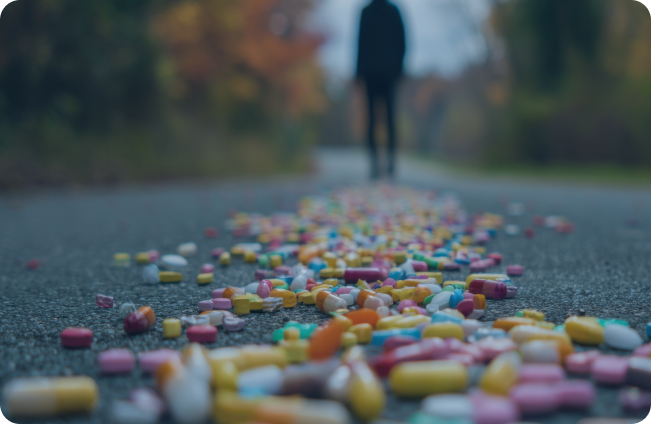
- Substance abuse is a pattern of using alcohol or drugs that causes significant distress or impairment
- Repeated use leads to tolerance, requiring more of the substance to achieve the same effect
- Withdrawal symptoms occur when the substance is reduced or stopped suddenly
- Affects brain chemistry, altering mood, behavior, and decision-making over time
- Caused by a combination of genetic, environmental, and psychological triggers
- Early intervention significantly improves chances of long-term recovery
- Impacts relationships, work performance, and overall mental and physical health
- Lifelong management is possible with proper treatment and consistent support
Exploring Related Conditions
Alcohol Use Disorder Compulsive alcohol dependence
Opioid Use Disorder Addiction to opioids or painkillers
Cannabis Use Disorder Heavy marijuana dependence
Stimulant Use Disorder Cocaine or amphetamine addiction
Prescription Drug Abuse Misuse of prescribed medications
Sedative Use Disorder Dependence on sleep or anxiety drugs
Nicotine Dependence Tobacco or vaping addiction
Hallucinogen Use LSD or psychedelic misuse
Behavioral Addiction Gambling or internet compulsions
Co-occurring Disorders Substance abuse with mental illness
Early Onset Addiction Begins in adolescence
Polysubstance Abuse Multiple substance dependence
Types of Substance Abuse
Alcohol Use Disorder
The misuse of prescription medications, including taking someone else’s medication or using medication for non-medical purposes. Commonly involves pain relievers, sedatives, and stimulants.
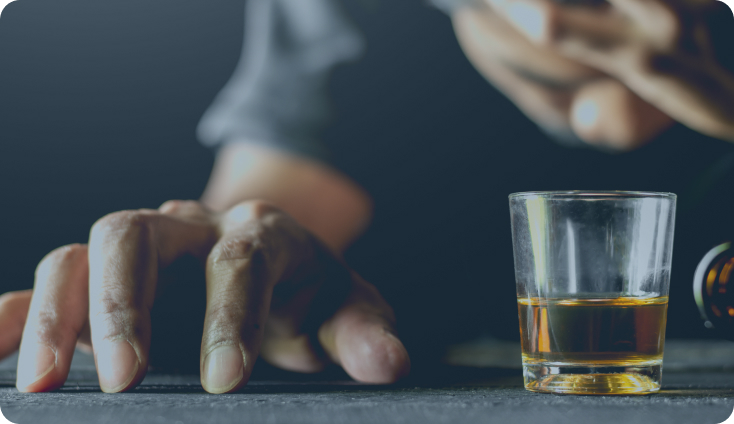
These drinking patterns cause such distress that some people go to extreme lengths to obtain alcohol. Common signs include blackouts, withdrawal symptoms, and continued use despite problems.
Drug Addiction
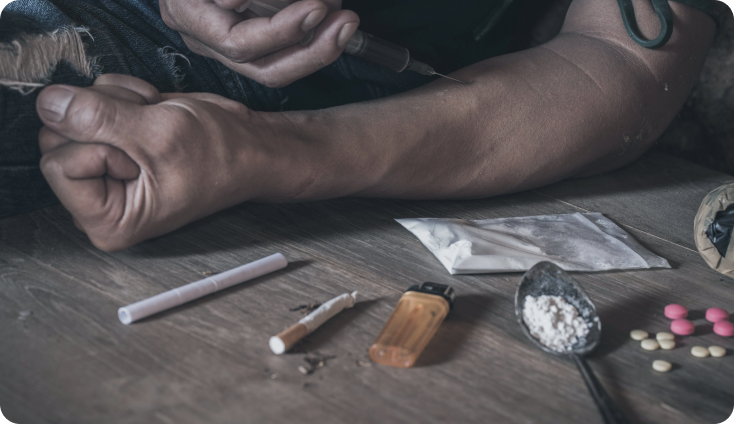
Drug addiction involves compulsive seeking and use of drugs despite harmful consequences and changes in the brain. It affects self-control and the ability to resist urges.
People who suffer from drug addiction may experience physical dependence, tolerance, loss of control, and failed attempts to quit despite knowing the harm it causes.
Prescription Drug Abuse
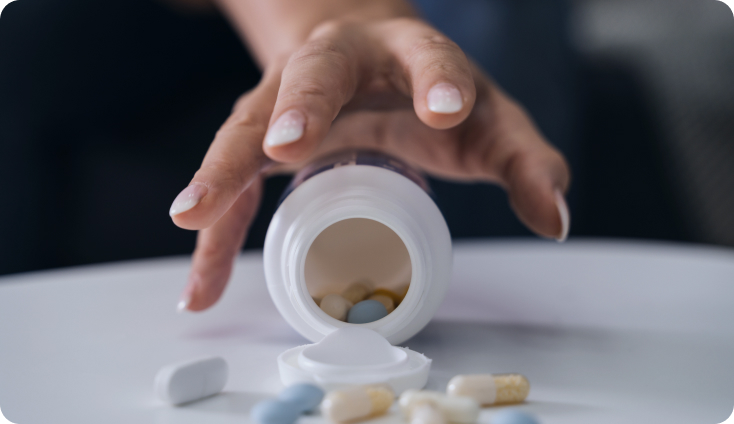
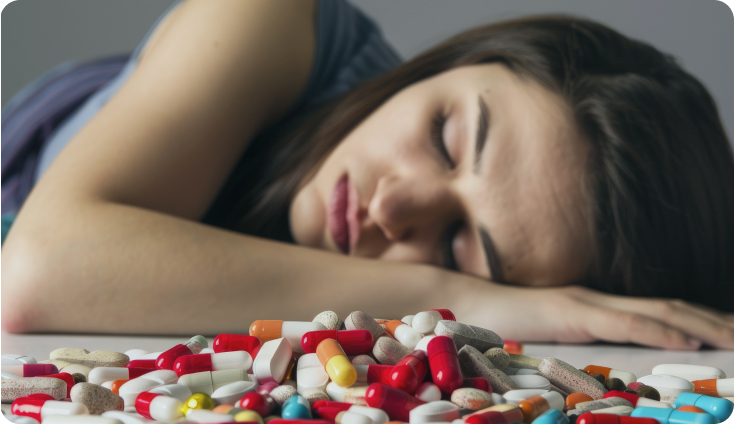
Prescription drug abuse involves using someone else’s medication or taking more than prescribed. Common types include opioids, stimulants, and sedatives.
- Using medication in higher doses than prescribed
- Taking drugs to obtain a high rather than for medical need
- Changes in sleeping and eating habits
- Stopping other responsibilities
- Engaging in risky behaviors while under substance influence
Opioid Use Disorder
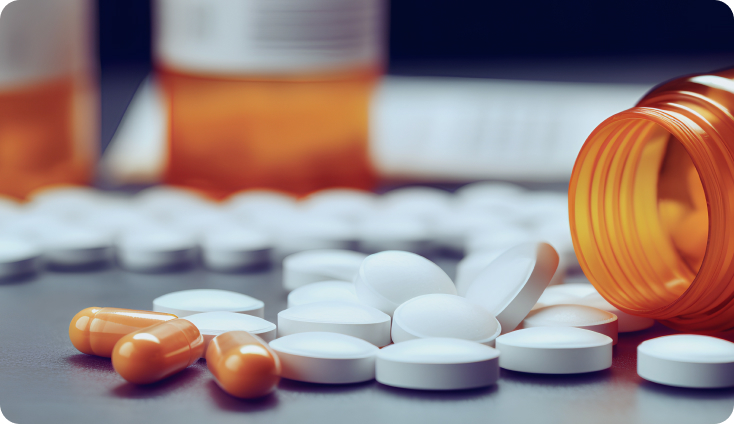
Opioid use disorder is characterized by compulsive use of opioids despite significant physical or psychological harm. Key symptoms include strong cravings, continued use despite consequences, and withdrawal when stopping.
Stimulant Use Disorder
Stimulant use disorder involves compulsive use of drugs such as cocaine or amphetamines. Drug use produces an intense but short-lived experience followed by crashes.
- Increased energy and alertness followed by crashes
- Anxiety and paranoia
- Mood disturbances and appetite changes
- Severe health complications including heart problems
Diagnosis is the First Step to Recovery
Diagnosing substance use disorder requires evaluation covering substance history, physical exams, lab tests, psychological assessment, social functioning, and severity level by addiction specialists.
How is Substance Abuse Treated?
Early treatment and consistent care can help you lead a healthy and substance-free life.
Substance abuse is treatable and recovery is possible. Treatment is most effective when tailored to individual needs and often includes a combination of approaches.
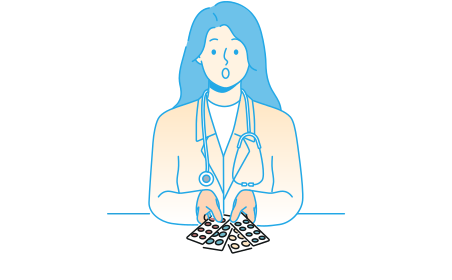
Medication
Medicines like Methadone, Buprenorphine, and Naltrexone help reduce cravings and treat underlying causes. These are tailored based on the type of substance and severity of dependence.
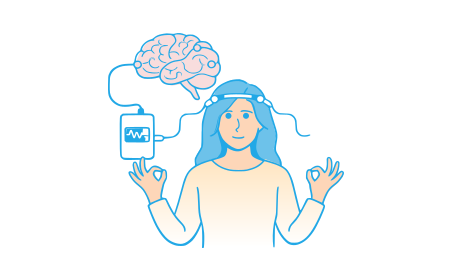
Neuro-Stimulation
CBT and Motivational Enhancement Therapy effectively address thought patterns driving substance use. These therapies help build coping strategies and prevent relapse.
Please refer to our dedicated page for more information.
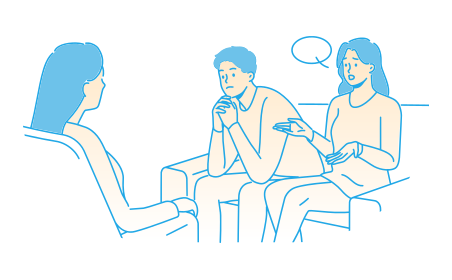
Psychotherapy
Brain stimulation techniques like TMS and ECT are used for severe cases of substance-induced depression. These help regulate brain activity when medications alone are insufficient.
Please refer to our dedicated page for more information.
Visual Guide to Substance Abuse
Discover what substance abuse looks like, how it affects the mind and body, and what you can do about it. This illustrated guide provides clear insights into diagnosis, management, and recovery pathways.