



What is Post-Traumatic Stress Disorder (PTSD)?
Experiencing trauma can leave lasting emotional effects. While most people recover naturally, some develop Post-Traumatic Stress Disorder (PTSD)—a serious but treatable mental health condition affecting millions worldwide.
What is PTSD?
Post-Traumatic Stress Disorder (PTSD) is a psychiatric disorder that develops in some people who have experienced, witnessed, or learned about a traumatic or life-threatening event.
In psychology, PTSD is classified as a trauma- and stressor-related disorder characterized by persistent symptoms lasting more than one month. In simpler terms, PTSD means your mind and body continue reacting to past trauma as if the danger is still present, even when you’re safe.
Understanding the Difference:
- Stress: A natural response to challenges that resolves when the stressor ends
- Trauma: A deeply distressing experience that overwhelms your ability to cope
- PTSD: A clinical disorder where trauma symptoms persist and interfere with daily life
Nearly everyone experiences reactions after trauma—this is completely normal. Most people recover naturally within weeks. However, when these reactions continue or worsen, it may indicate PTSD.
Common Causes of PTSD
PTSD can develop after various traumatic events:
- Combat and military exposure
- Physical or sexual assault
- Serious accidents (car crashes, workplace injuries)
- Natural disasters (earthquakes, floods, fires)
- Medical trauma (life-threatening illness, complicated childbirth)
- Witnessing violence or death
- Childhood abuse or neglect
Risk Factors:
- Severity and duration of the trauma
- Little or no social support after the event
- Additional stressors (loss of a loved one, job, or home)
- History of mental illness or substance abuse
- Previous childhood trauma
Symptoms of PTSD
PTSD symptoms fall into four categories. For diagnosis, symptoms must last more than a month and significantly interfere with daily functioning.
Intrusion
- Repeated, involuntary memories of the traumatic event
- Distressing nightmares
- Vivid flashbacks where you relive the experience
- Intense distress or physical reactions to trauma reminders
Avoidance
- Avoiding people, places, or activities that trigger memories
- Resisting thoughts or conversations about the trauma
- Changing routines to circumvent reminders
Alterations in Cognition and Mood
- Inability to remember important aspects of the trauma
- Persistent negative beliefs (“I am bad,” “No one can be trusted”)
- Loss of interest in activities
- Feeling detached from others
- Difficulty experiencing positive emotions
Alterations in Arousal and Reactivity
- Irritability and angry outbursts
- Reckless or self-destructive behavior
- Hypervigilance and exaggerated startle response
- Concentration problems
- Sleep disturbances
Symptoms typically develop within three months but may appear years later. PTSD often co-occurs with depression, anxiety, and substance use disorders.
Diagnosis & When to Seek Help
Seek professional help if you:
- Experience persistent symptoms for more than a month
- Notice symptoms worsening over time
- Have symptoms interfering with work or relationships
- Use substances to cope with symptoms
- Have thoughts of self-harm
Early intervention may reduce symptoms or prevent PTSD altogether. A qualified mental health professional can diagnose PTSD through comprehensive assessment, clinical interviews, and standardized tools.
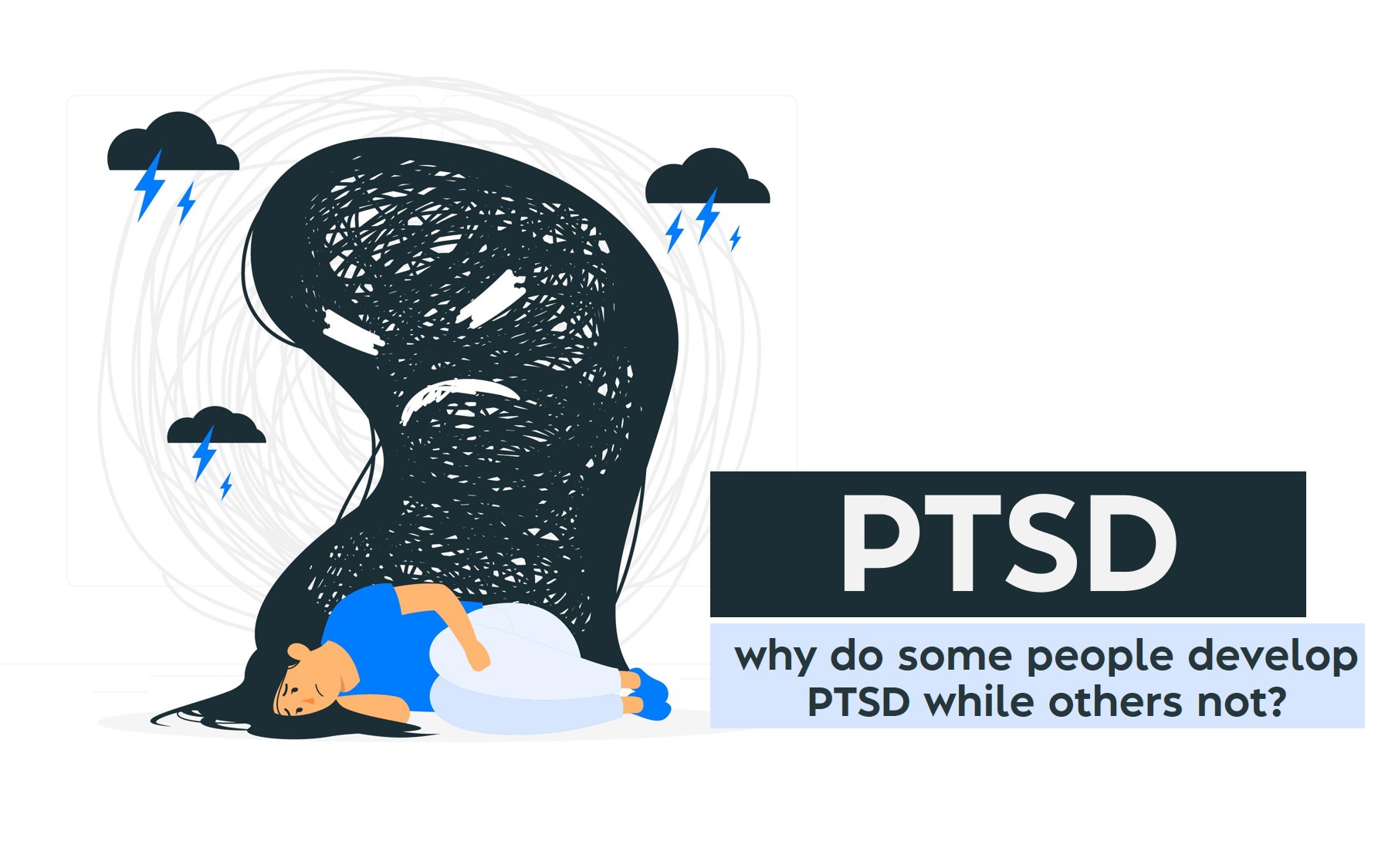
Why Do Some People Develop PTSD and Other People Do Not?
Not everyone who experiences trauma develops PTSD—in fact, most people won’t. Many factors influence vulnerability.
Resilience Factors That Promote Recovery:
- Seeking support from friends, family, or support groups
- Having positive coping strategies
- Being able to respond effectively despite fear
- Access to quality mental health care
- A strong sense of purpose
Researchers are studying genetic factors, neurobiological differences, and early life experiences to understand individual variations. With continued research, targeted prevention strategies may become possible.
Wrapping Up…
PTSD is a serious but treatable condition that develops after trauma. While it’s normal to have strong reactions following traumatic events, PTSD occurs when symptoms persist and significantly interfere with life.
Key Takeaways:
- PTSD is common but treatable
- Symptoms fall into four categories: intrusion, avoidance, negative mood changes, and arousal changes
- Early intervention improves outcomes
- Recovery is possible with proper support and treatment
Looking for a psychiatrist in Ahmedabad? Drop us a message or give us a call for an appointment at Parth Hospital.
Frequently Asked Questions About PTSD
What are the main symptoms of PTSD?
Main symptoms include intrusive memories/flashbacks, avoidance of trauma reminders, negative changes in thoughts and mood, and hypervigilance or irritability. Symptoms must last more than a month and significantly impact daily functioning.
How is PTSD diagnosed?
A mental health professional diagnoses PTSD through clinical interviews, standardized assessments, and evaluation of symptom duration and severity that meet DSM-5 criteria.
What causes PTSD?
PTSD is caused by traumatic events such as combat, assault, accidents, natural disasters, or childhood abuse. Individual risk factors influence whether PTSD develops.
Can PTSD go away on its own?
PTSD typically doesn’t fully resolve without treatment. Early professional intervention significantly improves outcomes and prevents complications.
How is PTSD treated?
PTSD is treated through evidence-based therapies like Cognitive Behavioral Therapy (CBT), EMDR, and Prolonged Exposure Therapy, often combined with medication. Advanced treatments like rTMS may also be considered for treatment-resistant cases.